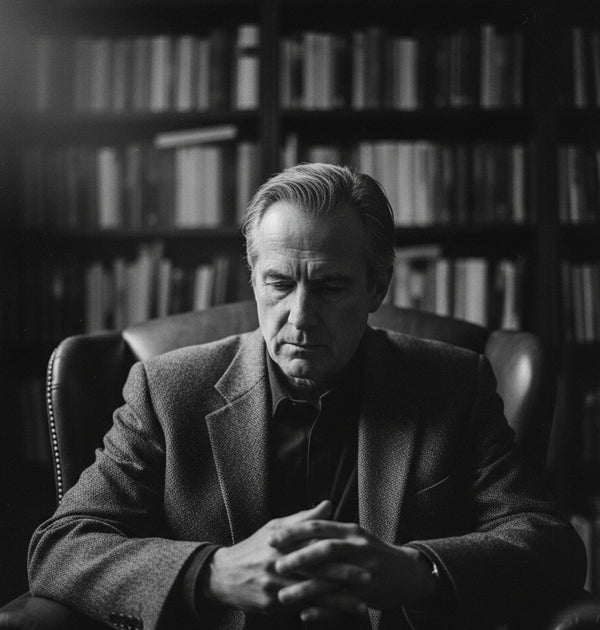
My father was not a sentimental man.
He did not keep letters or photographs. He did not say I love you unless it was absolutely necessary. But for thirty years, without fail, he wore the same fragrance — a deep, woody scent that smelled of sandalwood and something ancient.
He applied it every morning after his shave: two precise dabs behind his ears, one on each wrist.
It was the most consistent thing about him, more reliable than his moods and more predictable than his advice.
He was an engineer by training and a stoic by temperament. The kind of man who believed that emotions, like bridge cables, should be kept under tension but never snapped.
He showed his love in structural ways — a shelf he built for my books without being asked, the way he always checked the tyre pressure before I drove anywhere, the fact that he never once missed a parent-teacher meeting even though he found them, in his words, profoundly unnecessary.
The Fragrance He Never Stopped Wearing
The perfume was his one indulgence.
My mother told me he had worn it since before they married. She said it was the first thing she noticed about him — not his face, not his voice, but the warm, woody fragrance that followed him into every room.
She said it made ordinary rooms feel like they had history.
Perhaps that is what a signature fragrance can become over time — something more personal than perfume itself. A familiar scent can become part of someone's identity, quietly accompanying them through ordinary mornings, important occasions and the years in between.
For my father, that sandalwood fragrance was never about making an impression.
It was simply part of him.
And after thirty years, it had become part of the memories we had of him too.

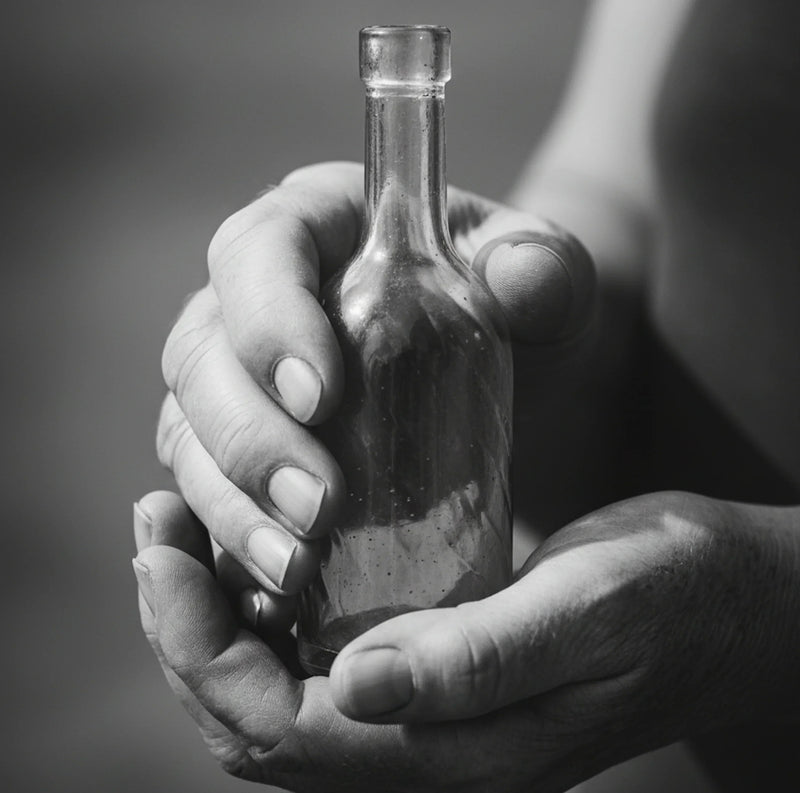
When he passed — quietly, on a Tuesday morning, the way he would have wanted — we found one last bottle on his dresser, two-thirds full.
My sister wanted to keep it sealed, preserved like a museum piece. I understood the impulse.
But that is not what fragrance is for.
Fragrance is not meant to be saved. It is meant to be worn, to be breathed, to fill a room and then slowly disappear. That is its nature — presence followed by absence, just like the people we love.
So I opened it.
I wear that woody fragrance now. Not every day — only on the days when I need his particular kind of strength.
A job interview.
A difficult conversation.
The anniversary of his death.
Some evenings, I uncap the perfume and breathe in, and for just a moment, he is standing in the doorway again, asking if I have eaten.
The bottle is down to a quarter now.
I do not know what I will do when it runs out.
Perhaps I will buy a new one. Perhaps I will let it end.
Because some signature fragrances become more than something you wear. They become connected to people, places and moments that shaped your life.
Some scents cannot be replaced with another bottle.
They can only be remembered.
And perhaps that is the most beautiful thing about fragrance — it may disappear from the skin, but the memory it leaves behind can stay with you for a lifetime.